

The Inconvenient and Necessary Call of Juneteenth
What commemorating Juneteenth means to those fighting for an expanded democracy

TL;DR
White supremacy didn’t end with a proclamation. It adapted, institutionalized itself, and is still kicking back hard today.
The window for democratic participation is still getting narrower. The question is what you’ll do about it.
NDTC’s answer is to train more candidates, run more races, and leave no seat unchallenged — because sustained political power is how change cements.
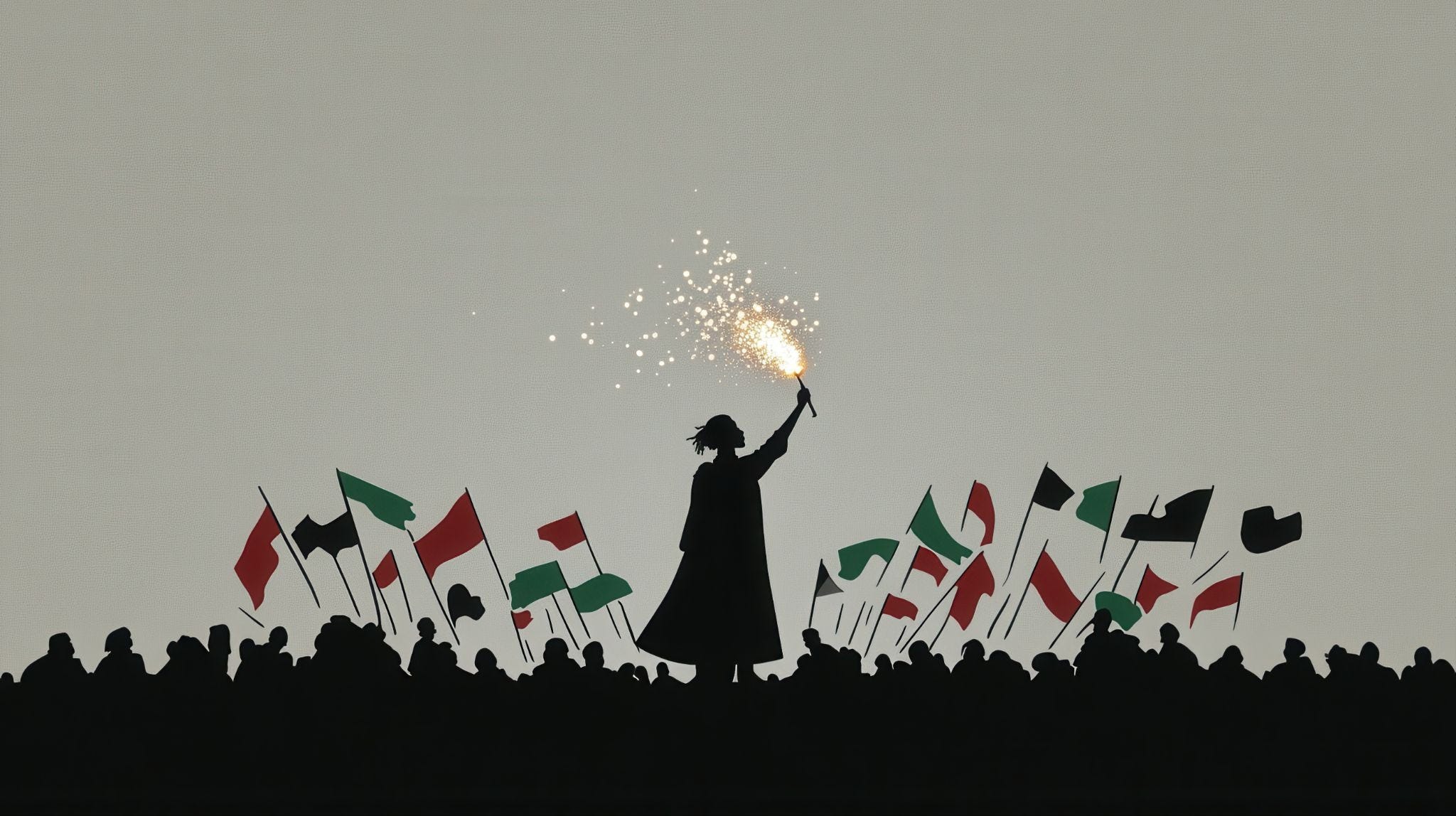
On June 19, 1865 — two and a half years after the Emancipation Proclamation — Union soldiers arrived in Galveston, Texas, and told the enslaved people there that the war was over. That they were free.
Two and a half years.
The end of chattel slavery is a monumental win in our country’s history. The people who lived to hear that news in Galveston, who had survived something that should not have been survivable, deserved all the joy we celebrate it with today. But Juneteenth is a holiday born from delay.
That gap is what makes Juneteenth a lesson about how freedom works in this country: it is proclaimed, then fought for, delayed, undermined, and fought for again. The proclamation is always just the beginning.
What Came After
The decade that followed the Civil War: Reconstruction. Black men voted, ran for office, and won. They served in Congress, in state legislatures, in local government. For a brief window, the South looked like it could become something closer to a multiracial democracy.
And then it was dismantled. Systematically, violently, legally. Through terrorism and poll taxes and grandfather clauses and literacy tests. Through redlining, gerrymandering, and mass incarceration. Through every mechanism a political system could invent to ensure that Black people couldn’t accumulate power.
That is the story from the other side of Juneteenth. Freedom came, and so did a counter-movement to take it back that lasted much longer.
Where We Are Now
It would be more comfortable to frame all of this as history and leave it there, but that isn’t our reality.
Voting rights protections have been gutted. Legislatures continue to redraw maps to dilute Black political power. Polling places close in communities of color. The window for democratic participation keeps getting narrowed by people who understand exactly what they’re doing.
White supremacy lives on through updated channels. It’s been worked into institutions: courts, legislative procedures, school boards and county commissions, and the thousands of small levers of government that most people never think about until those levers are pointed at them.
This is just honest accounting. The question is what you’ll do about it.
What NDTC Has to Do With It
NDTC exists because we believe the response to that kind of organized, sustained suppression has to be organized and sustained itself. Not just in presidential years, or the districts we’re “supposed” to win. We need infrastructure everywhere.
Every time a seat goes uncontested, the people who want to consolidate power win by default. Every state legislative district written off as unwinnable, every school board race where no Democrat even files, are places where oppression festers.
We train Democrats to run in those places because you don’t build lasting political power by showing up in swing districts once every four years. You build it by developing candidates who know their communities, who are willing to lose once and run again, and who understand the implications of their race are only fully realized way down the line.
Building power is generational work, and the people who’ve done it most faithfully in this country have been Black Americans who have faced deep, violent resistance. Working alongside them requires the people who benefit from expanded democracy (that probably means you, too!) to show up in places where it’s inconvenient. It requires running the race in the district that’s gone 70-30 for the other side, because someone has to, and because next cycle the numbers might be 68-32, and the cycle after that something might shift. It requires playing the long game.
NDTC will keep training these candidates. In red districts, rural counties, and everywhere in between. It’s not always glamorous, and it doesn’t always win immediately, but it’s the only path toward the kind of durable, distributed power that makes rights stick.
Connect with us everywhere!
Instagram: https://www.instagram.com/traindems/
Facebook: https://www.facebook.com/traindems/
Threads: https://www.threads.net/@traindems
Bluesky: https://bsky.app/profile/traindems.bsky.social
Linkedin: https://www.linkedin.com/company/traindems
Twitter: https://x.com/TrainDems