


TL;DR
How you talk about your experience matters even more than the experience itself, so practice connecting what you’ve done to why it should matter to managers.
Don’t wait for permission to be independent. Confidence to try something on your own is noticed and appreciated, even if you don’t nail it the first time.
Come in with an idea of what you want to get out of it. Nobody else can steer that for you!
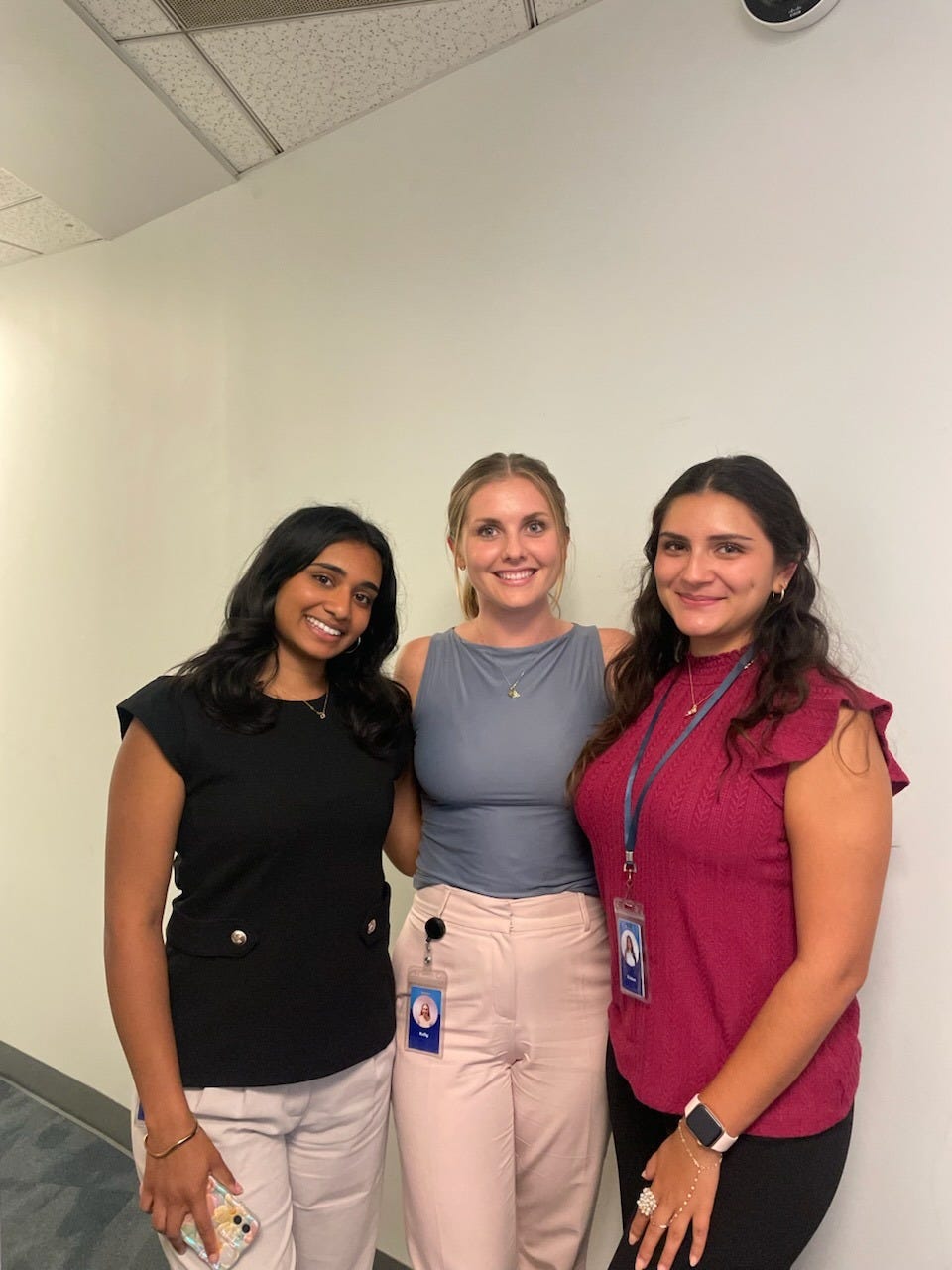
Hi y’all, Kelly S. here today. After a brief stint writing BTS for NDTC’s Substack, I’m coming out once again from behind the orange curtain! (If you missed my introductions, check out What I Wish I’d Known Before Starting a Career in Digital Politics and What I Wish I’d Known Before Applying for Political Internships. They’re getting lonely in the archive!)
Now that I’ve had three experiences managing interns in the political world, I’ve read a lot of early career resumes and sat down for countless daily check-in meetings. And with summer turning into fall, and graduating interns ‘round the nation passing the torch to the next, it felt like the right time to chat with you again.
I know that applying for political internships can truly feel like a game of chance (or connections), while actually doing them can leave you guessing if you’re doing anything of value or just causing headaches. But I’ve been #blessed to have managed three of the most stellar interns I could hope for, and I’ve found a few commonalities that made them stand out from their applications all the way through their last day on the job.
Here’s what they are.
Communicating What You’ve Done > What You’ve Actually Done
Something hiring managers should admit to more: as a candidate, your ability to communicate your experience in a way that thoughtfully connects it to the job you're interviewing for is just as important -- if not more important -- than your actual experience.
You don’t need to have simultaneously juggled a White House internship while leading an academic society and working on a research project (this would probably scare me TBH). But if you’ve worked a fast-paced job in the service industry, you have something valuable to say about your ability to keep up with competing demands and how you’d contribute that skill to a marketing team. Or if you’ve run a fan account on Instagram for your favorite Bravo show, you have something to tell me about your approach to content planning and calendar management.
And on the contrary, some impressive resumes fall flat when a candidate doesn't communicate past the page. I’d rather hire an expert on Real Housewives who has intentionally thought about how they’d plug in their skills to our team than a political science grad who can’t do the same.
Independence Is a Skill!
Now for some advice for when you’ve actually started the job: New interns are often more capable than they think, and more hesitant than they need to be.
I get it! As an intern, you only have so many opportunities to make a strong impression, and it feels high-stakes to mess up or need correcting.
But don’t let perfectionism be the enemy of your independence. As a manager, it is *so much less work* for me to edit your first swing at something than it is to walk you through every step of the way. If you intend to contribute to the team’s productivity, be less afraid of getting it wrong than you are of asking for an extra level of supervision you don’t need. You’re probably more on the right track than you think anyway!
You’ll still get plenty of instruction, training, and support along the way, don’t worry. I’m just saying that if you’re often deciding between asking first or trying first, lean toward trying.
(Critical caveat: This doesn’t apply when it comes to hitting publish or posting anything publicly. Take the swing on drafting an email, not on hitting send to thousands of people.)
Figure Out What You Want to Walk Away With
With all of that said, remember that your internship should be working for you too.
Before you start (or if you already have right now), think through a few questions to help you stay goal-oriented throughout the term.
What projects do you actually want exposure to?
Whose job do you want to learn more about?
What’s something you want to have made or done by the time this ends, something you could put in a portfolio or talk about in future interviews?
Good managers will ask you these things, but you don’t have to wait for us to ask. Come to your first full check-in with rough answers already in mind, and revisit them along the way. We want your internship to be valuable to you, not just useful to us, but we can’t do that without knowing what you want to leave us with. This is the part that you have to steer, and we’ll provide the charge.
Well, them’s my thoughts! Interns and managers can and should have a symbiotic working relationship, and these are the three things my interns have done to crush their semesters (and hopefully enjoy their time!)
If you’re looking for more early career resources for the political world, NDTC is full of them. As always, they’re completely free.
To keep an eye out for future internships at NDTC, bookmark our careers page and follow us on LinkedIn!
Thank you for reading our latest Substack!
Connect with us everywhere!
Instagram: https://www.instagram.com/traindems/
Facebook: https://www.facebook.com/traindems/
Threads: https://www.threads.net/@traindems
Bluesky: https://bsky.app/profile/traindems.bsky.social
Linkedin: https://www.linkedin.com/company/traindems
Twitter: https://x.com/TrainDems